English Language Studies
Resources

I’ve been teaching English to monks for a few years now. Some people think monks shouldn’t learn English. Though I agree it’s not essential, and sometimes misused, I think the pros outweigh the cons. Here are some of the benefits I see:
- More learning resources: most research, material online, courses, books, etc. are in English nowadays.
- International communication: nowadays, the Saṅgha, Buddhists in general, and general audiences are much more connected than in the past due to the internet. English is often the common ground in which this communication occurs.
- Propagation: knowing English, monks are able to teach Dhamma in many countries and academic institutions.
- Fulfilling Paṭisambhidā: though not essential for arahatship, learning languages is so for special attainments such as that of Chief Disciples or Sammāsambuddhas.
Here I’m collecting useful links or resources on this topic:
MonkType

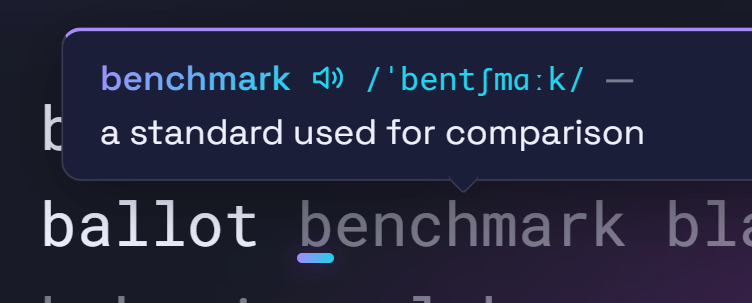
Website where you can practice typing, spelling, listening, and also learn the meaning of words in any language. You can make your own lists and translate them into any language. Watch the video to know how to use it (not difficult).
Test-English.com

After a good amount of research, this is the grammar source I settled for. There are accessible level-based lessons with exercises. It’s particularly good for grammar (up to B2), but also offers good resources for other aspects of the language such as writing exercises.
Busuu

This is a website / app that can help you learn the basics and get exposed to the language in general. As a sole tool for learning a language, it is not enough, so I recommend it as a supplement for brainsoaking.
Quizzes
Grammar Notes
Organized by level, following the grammar contents of Test-English.com. Notes that encompass a topic through several levels are kept under Specific Topics.
Level 1 (A1–A2)
Level 2 (B1–B1+)
Level 3 (B2)
Specific Topics
Notes that cover a topic across several levels.
- Structure of All Tenses
- Unusual Usages of Tenses
- Present Perfect Continous Passive: not used
- Relative Clauses in depth
- To + ing Cases
- Participial Adjective vs. Passive Voice
- Do, make, do make, make do
- Meanings of “Should”
- Meanings of “for”
- Lay down vs. Lie down
- Hard vs. Hardly
- Most vs. Mostly
- Comma with “Sometimes”
- “In common with” vs. “Common to”
- Some Confusing Verbs
- Refining Common Adjectives
- Animals and Their Onomatopoeia