Surāpānavagga
surāpānavagga #edited
surāpānasikkhāpadaṃ #edited
background
- Buddha wandered in Cetiya, near Bhaddavatikā
- cowherds warned of dangerous nāga at Ambatittha hermitage
- Buddha silently proceeded and stayed in Bhaddavatikā
- V. Sāgata visited hermitage, meditated, tamed the nāga with abhiññā
- Buddha and disciples went to Kosambī
- locals, impressed, asked Sāgata’s desires
- Chabbaggiyas suggested a rare drink called Kāpotikā
- trusting devotees offered it to Sāgata, who drank and collapsed intoxicated at the city gate
- Buddha saw it, had monks carry him to the monastery, where he disrespectfully turned his feet toward the Buddha
- Buddha questioned the monks: Sāgata had been respectful before, but not now; defeated the nāga then, but couldn’t now; should intoxicants be consumed? monks said no
- Buddha rebuked sāgata and set surāpāna rule
description
- 2 types of intoxicant beverages and how they are made
- surā: sambhārasaṃyoge madditvā katā surā (made by placing the mixture in a vessel, adding an appropriate amount of water, and repeatedly kneading the mixture)
- 5 types of surā
- piṭṭha surā (flour liquor)
- pūva surā (cake liquor)
- odana surā (rice liquor)
- kiṇṇapakkhittā: kiṇṇa (seeds of liquor); adj. (of alcohol) with fermenting agent thrown in
- sambhāra saṃyuttā: mixture of ingredients such as harīṭaka (yellow myrobalan), sāsapa (mustard), and so on, which is then kneaded repeatedly
- mem aid for 5 surās and 5 merayas:
- IIT - Nissayamuttaka Course
- meraya: ciraparivāsitamattena merayaṁ (made by merely fermenting the substance over an extended period)
- 5 types of meraya
- pupphāsava: made with flowers such as madhuka flower, coconut flower, palm flower...
- phalāsava: kneading fruits such as grapes or jackfruit, adding water, and fermenting them over an extended period (wouldn't this be under surā?) #q🙋🏼♂
- madhvāsava: made with extracts (jāti rasa: no added water) of grapes; some say bee honey
- guḷāsava: made with sugar cane juice
- sambhāra saṃyutta: made with the extract of a mixture of harīṭaka (yellow myrobalan), āmalaka (amla), kaṭuka bhaṇḍa (spices) and so on
- mem aid for 5 surās and 5 merayas:
- IIT - Nissayamuttaka Course
- note:
- Ettha ca surāya merayassa ca samānepi sambhārasaṃyoge madditvā katā surā, ciraparivāsitamattena merayanti evamimesaṃ nānākaraṇaṃ daṭṭhabbaṃ. (Kaṅ-abh-ṭ. 402.).
- mem aid for 5 surās and 5 merayas:
- imagine a quirky chef and a gardener arguing at a party:
the chef yells, "Flour cake rises, kiṇṇa mixes!"
the gardener snaps back, "Flowers fruit grapes, cane mixes!"
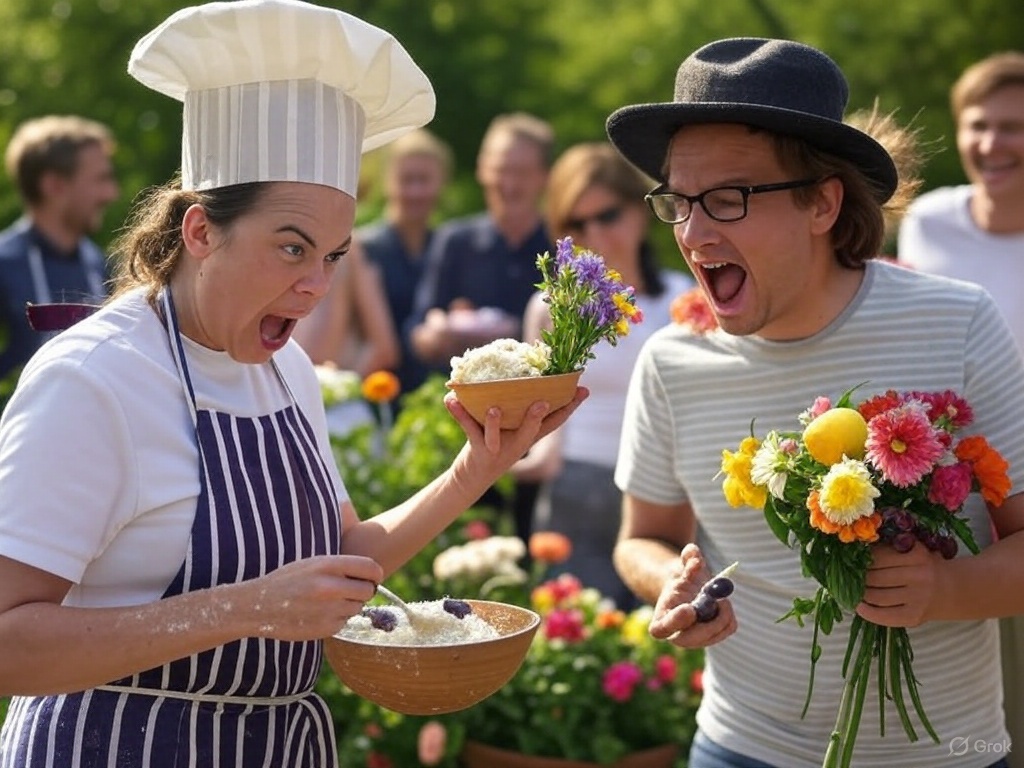
- from what point are they unallowable?
- from the very beginning of their production (bīja kāla)
- bīja kāla
- the initial stage of liquor production
- bīja of each intoxicant
- all except flower liquor (it seems): sambhāra (mixture of ingredients) placed in a pot during preparation
- flower liquor: extract (jātirasa) obtained from the flowers
- drinking a drop of surā or meraya from their bīja kāla from a blade of grass: pc
drinking a large amount in one effort: 1 pc
drinking with multiple efforts: multiple pc
drinking not knowing it is intoxicant: pc
- Antamaso kusaggenapi pivatīti etaṃ suraṃ vā merayaṃ vā bījato paṭṭhāya kusaggena pivatopi pācittiyanti attho. Ekena pana payogena bahumpi pivantassa ekā āpatti. Vicchinditvā vicchinditvā pivato payogagaṇanāya āpattiyo. (Pc-a. 127.).
Bījato paṭṭhāyāti sambhāre paṭiyādetvā cāṭiyaṃ pakkhittakālato, tālanāḷikerādīnaṃ puppharasassa gahitaabhinavakālatoyeva ca paṭṭhāya. (Srd-ṭ. III. 79.).
anāpatti
- amajjañca hoti majjavaṇṇaṃ majjagandhaṃ majjarasaṃ taṃ pivati: if it does not cause intoxication, though it may have the same colour, smell and taste as an alcoholic beverage
- Loṇa sovīraka and sutta are two medicinal beverages that are made by mixing various ingredients and fermented over an extended period (considered allowable)
- in class: this seems to have a considerably high percentage of alcohol; should be discussed further
- sūpasampāke: if cooked with curries
- maṃsasampāke: if cooked with meat
- telasampāke: if cooked with oil without exceeding the limit (anatikkhittamajja)
- sometimes oil is cooked to make medicine for sicknesses caused by the air element
- anatikkhittamajja (na ati khitta majja)↔the amount of liquor added does not give the appearance, scent, or taste of liquor
- atikkhittamajja↔the amount of liquor added gives the appearance, scent, or taste of liquor
- consuming atikkhittamajja: pc
- āmalakaphāṇite: consuming āmalaka treacle, though it has the appearance, scent and taste similar to liquor
- amajjaṃ ariṭṭhaṃ pivati: drinking medicinal spirits called ariṭṭha that are sometimes made using the āmalaka extract which has the appearance, scent, and taste similar to liquor, though not being actual liquor
- āmalaka extracts mixed with sambhāra are liquor from bīja kāla
aṅga
- surāmeraya...(majjabhāvo): being an alcoholic substance
- pāne...(tassa pānaṃ): drinking (consuming) it
- Pāḷi
- Surāmerayapāne pācittiyaṃ.
In drinking alcoholic drinks known as surā and meraya, [there is a case] involving expiation.
other elements
- citta and saññā
- acittaka and nosaññāvimokkha
- āpatti and saññā
- tika-pācittiya and duka-dukkaṭa
- majja / amajja saññā (the perception that what is being consumed is / is not liquor)
- kusalattika and vedanāttika
- comm: akusala citta
- srtdpn: mostly akusala, but all cittas
- vmtvndn: even without knowing, the mind becomes akusala as soon as it enters the body
- comm: as a miracle, it does not go into ariya's body
- sukha, dukkha or upekkhā
- note: (huge) argument between 2 commentators (parajikapāḷi)
extra notes
- other intoxicant substances come under majja (mentioned in the 8 precepts and in the āpattivāra as an umbrella term); it must be included here, but it is not mentioned; this is not discussed
- "Tales of Kosambī": book with stories from this region from the tipitaka
aṅgulipatodakasikkhāpadaṃ #edited
background
- Buddha: Jetavana
- Chabbaggiyas made one of the Sattarasavaggiyas laugh by tickling him, making him suffocate and die
description
- intention under this rule
- hasādhippāya: intention of playing (khiḍḍādhippāyassa) to have fun (not just tickling)
- Dutiye aṅgulipatodaketi aṅgulīhi upakacchakādighaṭṭanaṃ vuccati, apica yena kenaci sarīrāvayavena hasādhippāyassa upasampannaṃ phusato pācittiyaṃ.
Hasādhippāyassāti khiḍḍādhippāyassa, iminā kāyasaṃsaggādhippāyaṃ paṭikkhipati.
- upakacchaka↔nt. armpit #[[pāḷi vocab (3rd year)]]
- ghaṭṭana [√ghaṭṭ + ana]↔nt. conflicting; clashing; attacking; lit. striking 2 nt. insulting; lit. striking [√ghaṭṭ + ana] ~3 nt. striking, knocking against; impinging, knocking together
- avayava masc.↔limb, part, constituent ✗2 masc. (gram) constituent of compound ✗
- khiḍḍā↔fem. amusement; play; fun; entertainment
āpattivara
- touching an upa:
kāyena kāyaṃ āmasati āpatti pācittiyassa
kāyena kāyapaṭibaddhaṃ āmasati...kāyapaṭibaddhena kāyaṃ / kāyapaṭibaddhaṃ āmasati...nissaggiyena kāyaṃ / kāyapaṭibaddhaṃ / nissaggiyaṃ āmasati...āpatti dukkaṭassa
doing so to an anupa: dkṭ
doing so to a bhikkhunī with hasādhippāya: dkṭ
doing so to a bhikkhunī with no lust: anāmāsadukkaṭa
doing it with kāyasaṁsaggarāga: sg
touching a female without lust: anamāsadukkaṭa
touching a female when they are in danger: anamāsadukkaṭa, but one comm. says with karuṇa it is ok
- Ettha bhikkhunīpi anupasampannaṭṭhāne ṭhitā, tampi khiḍḍādhippāyena phusantassa dukkaṭaṃ. (Pc-a. 128.).
anāpattivara
- na hasādhippāyo: touching (a male) when there is no intention of playing
- extra note: if a woman: anamāsa dukkaṭa
- sati karaṇīye āmasati: if there is a suitable reason (applicable to monks confirm)
aṅga
- aṅgulipatodake...(upasampannassa kāyena kāyāmasanaṁ)
- Pāḷi
- Aṅgulipatodake pācittiyaṃ.
In tickling with the fingers, [there is a case] involving expiation.
other elements
- citta and saññā
- sacittaka and saññāvimokkha
- āpatti and saññā
- tika-pācittiya and tika-dukkaṭa
- upa / anupa saññā
- kusalattika and vedanāttika
- akusala citta (lobhamūla)
- sukha or upekkhā
hassadhammasikkhāpadaṃ #edited
background
- Buddha: Jetavana
- Sattarasavaggiyas played in the water of the Aciravatī river
- King Kosala saw them and told the Queen Mallikā: “your arahants play in water”
- Mallikā replied Buddha likely set no rule, or monks unaware
- King, indending that the Buddha get to know about it, gave monks jaggery to offer the Buddha
- monks did so and the Buddha asked where they had met him
- monks said that while playing in the river
- Buddha reprimanded them and set hassadhamma rule
āpatti
- intention→hasādhippaya (intention of playing)
- water above the ankle; one submerges and emerges for playing: pc for every time (seems to be 1 pc for both actions [confirm])
one makes gestures (payoga) with limbs when getting into the water, in the water, submerging and emerging for fun: dkṭ (clarify)
crossing the water for fun with hands or legs: pc for every movement made by such body parts (payoga)
jumping into the water for sport: pc
engaging in water sports at a water level below the ankle: dkṭ
doing so while on a boat: dkṭ #q🙋🏼♂
- payoga here is: movement, effort
- kkvtrn-ṭ:
- if a vessel is maneuvered using oars / sculls or when a vessel is dragged on the shore for fun: dkṭ
disturbing water with hands, legs or a stone for fun: dkṭ
stone skimming and stone skipping for fun: dkṭ (1 per throw)
throwing water / porridge / milk / buttermilk / mud for fun (khipana kīḷā): dkṭ
anāpattivara
- na hasādhippāyo
- sati karaṇīye udakaṃ otaritvā nimujjati vā ummujjati vā palavati vā
- pāraṃ gacchanto nimujjati vā ummujjati vā palavati vā
- āpadāsu
aṅga
- udake...(uparigopphakatā): there being water above the ankle
- gopphaka [goppha + ka]↔nt. ankle
- ...hasadhamme...(hasādhippāyena kīḷanaṃ): playing in water with the intention of enjoying
- Pāḷi
- Udake hassadhamme pācittiyaṃ.
In the act of playing in water, [there is a case] involving expiation.
other elements
- citta and saññā
- sacittaka and saññāvimokkha
- āpatti and saññā
- tika-pācittiya and duka-dukkaṭa
- hasadhamma / ahasadhamma saññā (the perception of thinking as one is not playing)
- kusalattika and vedanāttika
- akusalacitta (lobhamūla)
- sukha or upekkhā
anādariyasikkhāpadaṃ #edited
background
- The Tathāgata was residing in the Ghoshita monastery in the city of Kosambhi. During this time Venerable Channa was disobeying training rules and behaving inappropriately. Then the other bhikkhus told him, “Friend, Channa, do not do this, for it is inappropriate.” However, he continued what he has been doing out disrespecting what the other monks had told him. When this was informed to the Buddha, he reprimanded Venerable Channa and imposed the anādariya training rule.
description
- anādariya→disrespect
- 2 types
- puggala anādariya:
- disrespecting another advising monk
- not adhering to the rule (continuing to do so)
- dhamma anādariya:
- disrespecting the rule, thinking of how it could be destroyed ‒ kathaṃ ayaṃ dhammo tanti paveṇī nasseyya vā vinasseyya vā antaradhāyeyya vā?
- not adhering to the rule (continuing to do so)
āpattivara
- being admonished by an upa about paññatta and showing puggala / dhamma anādariya: pc
if anupa admonishes: dkṭ
if upa admonishes about apaññatta: dkṭ
if anupa does so: dkṭ
- paññatta↔what has been laid down in the Vinaya
- apaññatta↔what has not been promulgated in the Vinaya, but has been in the Suttanta / Abhidhamma; connected with sallekhāya, dhuttattāya, pāsādikatāya, apacayāya, and vīriyārambhāya such as the ovādasikkhāpada
- what about things that are allowable / optional? within this area there is flexibility. what if someone else tries to impose a limitation that is such areas? not āpatti #q🙋🏼♂
- In some places, apacayāya means for the destruction of the three cycles of saṃsāra
anāpatti
- "evaṃ amhākaṃ ācariyānaṃ uggaho paripucchā"ti bhaṇati: saying “This is the idea (uggaha) and inquiry (paripucchā) of our teachers” (ācariyavāda)
- what ideas are included here (3 points and conclusion)?
- mahā-a: only ācariyavāda, not gārayha ācariyavāda
- ācariyavāda↔explanations that have been passed down through the tradition (paveṇī‒the lineage beginning from the First Council)
- paveṇī↔the lineage beginning from the First Council
- gārayha ācariyavāda↔blameworthy interpretations of teachers ‒ sugarcane juice is sattāhakālika; pure sugarcane bagasse (kasaṭa) is yāvajīvika; tf, sugarcane sticks made from sattāhakālika sugarcane juice and yāvajīvika sugarcane kasaṭa are allowable to be eaten during vikāla, like jaggery and harītaka
- vocab:
- paveṇī [pa + √ve + ṇī]↔fem. tradition; lineage; lit. braid 2 fem. breed 3 fem. braid of hair #[[pāḷi vocab (3rd year)]]
- uggaha [ud + √gah + a]↔masc. learning; study; practice; lit. taking up; 2 masc. taking up #[[pāḷi vocab (3rd year)]]
- kurundi-a: only ācariyavāda in paññattivajja rules, not in lokavajja
- ācariyavāda: opening a door with a bowl in hand only applied to the hand that holds the bowl; with the free hand is ok
- being admonished, one says this and keeps practicing in this way: anāpatti (bc it is paññattivajja)
- Paṇṇattivajje pana vaṭṭatīti "na pattahatthena kavāṭo paṇāmetabbo’ti imassa ‘Yena hatthena patto gahito, tena hatthena na paṇāmetabbo, itarena paṇāmetabbo’ti atthaṃ gahetvā tathā ācaranto na āpattiyā kāretabbo.
- abhayagirika monks used to take flowers offered to buddha, cetiya, and bodhi and use it
- Tathā buddhabodhicetiyānaṃ pupphaṃ gaṇhituṃ vaṭṭatīti tathā ācaranto"ti ca. Tathā ācarati abhayagirivāsiko. (Vjb-ṭ. 329.). Vjb-ṭ-ns. II. 112-3.
- mahāpaccariya: only ācariyavāda of teachers who have studied the Vinaya doctrine and takes the commentaries seriously
- conclusion: only teachings handed down through the tradition must be accepted” – “Taṃ sabbaṃ paveṇiyā āgatesamodhānaṃ gacchati”
- extra notes:
- written on a raft; famine in SL; monks went to India on this raft; chaos period; arahants present; some met sakka; he could not intervene; monks gathered; 60 monks remained; 500 went; they lived on the shores of India; 7-12 years; came back; wrote the comm on the raft; considered to be written by arahats; they met in a certain monastery; recited as they hasd memorized; all was matching; not even a word different; decided to write the tipitaka down; niddesapāḷi was missing (happened later); this led to the 4th council; some ideas are differenthe from maha aṭ; sometimes rejected by Bdghs; Andaka-a is usually refuted; Kurundi sometimes rejected
- mahāpaccariya commentary (story)
aṅga
- anādariye...(anādariyakaraṇaṃ): being disrespectful (bhāsa-ṭ: and continue doing the action)
- upasampannassa paññattena vacanaṃ: an upa advising about a Vinaya rule
- Pāḷi
- Anādariye pācittiyaṃ.
In disrespect, [there is a case] involving expiation.
other elements
- citta and saññā
- sacittaka and saññāvimokkha
- āpatti and saññā
- tika-pācittiya and tika-dukkaṭa
- upa / anupa saññā (the perception that one who is admonishing is an upa / anupa)
- kusalattika and vedanāttika
- akusalacitta (dosamūla)
- dukkha
notes:
- kkvtrn-t: āpatti when he continues the activity (bhasatika)
- continue to do something within the allowable: no offense
- adhammakathika is not allowed:
- paññattena is clear
- apaññattena has to be judged carefully
- disagreements: (kosambi monks)
- either against a rule or something that induces defilements
- it seems that there is an ultimate interpretation of the rules
bhiṃsāpanakasikkhāpadaṃ #edited
background
- Tathāgata: Jetavana; Chabbaggiya bhikkhus scared the Sattarasavaggiya bhikkhus; they cried; other bhikkhus getting to know about it informed the Buddha
description
- 2 ways it can be committed
- showing (frightening / dreadful) objects (rūpa, sadda, gandha, rasa, phoṭṭhabba) with the intention of scaring
- telling a horror story with the intention of scaring ‒ 3 types
- corakantāra: about a waste land with thieves
- vāḷakantāra: with wild animals
- pisācakantāra: with demons
āpatti
- doing so to an upa: pc
if the upa does not get afraid: pc
by telling a horror story: pc (not mentioned how offenses are counted)
doing so to an anupa: dkṭ
doing so within the dassana-/ savaṇa-visaya: pc
doing so beyond the visaya: seems to be anāpatti
anāpatti
- na bhiṃsāpetukāmo rūpaṃ vā saddaṃ vā gandhaṃ vā rasaṃ vā phoṭṭhabbaṃ vā upasaṃharati: showing objects without the intention of scaring
- na bhiṃsāpetukāmo corakantāraṃ vā vāḷakantāraṃ vā pisācakantāraṃ vā ācikkhati: telling a story without the intention of scaring
aṅga
- ...bhikkhuṃ...(upasampannatā)
- ...bhiṃsāpeyya...(tassa dassanasavanavisaye bhiṃsāpetukāmatāya vāyamanaṃ): trying to scare within the dassana / savaṇa visaya (upacāra)
- Pāḷi
- Yo pana bhikkhu bhikkhuṃ bhiṃsāpeyya, pācittiyaṃ.
If any bhikkhu should scare [another] bhikkhu, [this is a case] involving expiation.
other elements
- citta and saññā
- sacittaka and saññāvimokkha
- āpatti and saññā
- tika-pācittiya and tika-dukkaṭa
- upasampanna / anupasampanna saññā (the perception that one who is frightening is an aupasampanna)
- kusalattika and vedanāttika
- akusala citta (dosamūla)
- dukkhavedanā
jotikasikkhāpadaṃ #edited
background
- tathāgata in bhesakaḷā deer park, suṇsumāragiri, bhagga. bhikkhus burned hollow trunk for warmth; snake inside attacked. tathāgata set rule banning fire for warmth. later, sick bhikkhus needed warmth but avoided fire due to rule. tathāgata allowed sick monks to light fires. bhikkhus unsure about lamps, baking bowls, sweat therapy (sedakamma), sauna (jantāghara). buddha added sub-rule permitting fires for these, including lamps.
āpatti
- preliminary payogas: keeping firewood (any fuel) or doing any preliminary action to kindle a fire intending to do so and without a suitable reason: dkṭ for each
ordering sb to light a fire: dkṭ
the fire is lit as ordered: pc for the orderer
multiple fires are lit due to one order: 1 pc for the orderer
kindling a fire or having it kindled: pc
picking up a fallen firebrand and placing it back in its place: dkṭ
reigniting a firebrand that went extinct: pc
anāpatti
- gilānassa: for one who has a sickness that makes it difficult to stay without a fire / heat
- aññena kataṃ visibbeti: warming oneself in a fire made by another
- vītaccitaṅgāraṃ visibbeti: warming oneself if there are no flames
- padīpe jotike jantāghare tathārūpappaccayā: to light lamps, bake bowls, in a sauna
- āpadāsu: such as disturbance from wild animals or spirits
- vītaccita [vīta + accita]↔adj. without flames; glowing #[[pāḷi vocab (3rd year)]]
- visibbeti [vi + √siv + *e + ti]↔pr. (+acc) warms; heats oneself up (with) #[[pāḷi vocab (3rd year)]]
aṅga
- ...agilāno... (agilānatā): not being sick
- ...visibbanāpekkho...(visibbetukāmatā): desire to warm up oneself near a fire
- ...jotiṁ samādaheyya vā samādahāpeyya vā...(samādahanaṃ): lighting a fire
- ...aññatra tathārūpapaccayā...(anuññātakaraṇābhāvo): absence of an approved reason
- pāli
- yo pana bhikkhu agilāno visibbanāpekkho jotiṃ samādaheyya vā samādahāpeyya vā, aññatra tathārūpapaccayā, pācittiyaṃ.
other elements
- citta and saññā
- acittaka and nosaññāvimokkha
- āpatti and perception
- tika-pācittiya and duka-dukkaṭa
- gilāna / agilāna saññā (perception that one is / is not sick)
- kusalattika and vedanāttika
- kusala, akusala or abyākata citta
- sukha, dukkha or upekkhā
nahānasikkhāpadaṃ #edited
background
- Buddha in Veḷuvana, Rājagaha; bhikkhus bathing in the river Tapodā until dark; King Bimbisāra could not bathe and stayed outside the city for the night; he visited the Buddha with the same make up (asambhinnena vilepanena); the Buddha questioned it; gave a dhamma talk and laid down the rule; monks dirtied the beds with sweat during the hot season; allowance for uṇha and pariḷāha samaya given; sick monks reported to be uncomfortable without bathing; allowance given for the sick; working monks soiled the beds ⇒ kammasayama; travelling monks soiled the beds ⇒ addhānagamanasamaya; monks made robes outside and were exposed to dust and rain; soiled the beds; vātavuṭṭhisamaya;
limiting the rule to the majjhima desa
- in the beginning: every 1/2 month everywhere
V. Kaccāyana requested a relaxation for his region (Avanti): conceded dhuvanahāna for all districts outside the majjhimadesa ‒ Anujānāmi, bhikkhave, sabbapaccantimesu janapadesu dhuvanahānaṃ
description
- allowed samayas
- uṇha samaya: the last 1 1/2 months of the summer
- pariḷāha samaya: 1st month of the rainy season
- gilāna samaya: if it’s difficult for one to stay without bathing
- kamma samaya: if at least the monastery premises were swept
- addhānagamana samaya: before, after and during a 1/2 yojana journey
- vātavuṭṭhi samaya: one is covered in dust and then gets wet by at least two or three raindrops
āpattivāra
- pubbapayogas: dkṭ
bathing more than once within a period of half a month: pc
moment the offense occurs: when bathing ends
anāpattivāra
- addhamāsaṃ nahāyati: bathing exactly after half a month
- atirekaddhamāsaṃ nahāyati: bathing after more than half a month
- pāraṃ gacchanto nahāyati: when crossing a river, whether there is water or not
- if there is no water, digging a pit in sand to bathe is allowed
- sabbapaccantimesu janapadesu: in regions beyond the majjahima desa
- āpadāsu: such as a hornet attack
aṅga
- ...orenaddhamāsaṁ...(ūnakaddhamāsanahānaṃ): bathing more than once in less than half a month
- ...aññatra samayā...(samayādīnaṃ abhāvo): not being an allowed occasion
- (not in the rule) majjhimadese: being the middle region of the Jambudīpa
- Pāḷi
- Yo pana bhikkhu orenaḍḍhamāsaṃ nahāyeyya, aññatra samayā, pācittiyaṃ. Tatthāyaṃ samayo. Diyaḍḍho māso seso gimhānan-ti, vassānassa paṭhamo māso, iccete aḍḍhateyyamāsā, uṇhasamayo, pariḷāhasamayo, gilānasamayo, kammasamayo, addhānagamanasamayo, vātavuṭṭhisamayo; ayaṃ tattha samayo.
- If any bhikkhu should bathe within less than half a month, except at the [right] occasion, [this is a case] involving expiation. Here the occasion is this [thinking]: “One and a half month is what remains of the hot season,” [and “This is] the first month of the rainy season”—these two and a half months [are] the occasion of dry heat, [and] the occasion of humid heat— [also:] the occasion of being sick; the occasion of work; the occasion of going on a journey; the occasion of [dusty] wind and rain; this is the occasion here.
other elements
- citta and saññā
- acittaka and nosaññāvimokkha
- āpatti and saññā
- tika-pācittiya and duka-dukkaṭa
- ūnaka / atireka saññā (the perception that half-month has not / has elapsed from the previous bath)
- kusalattika and vedanāttika
- kusala, akusala or abyākata citta
- sukha, dukkha or upakkhā
dubbaṇṇasikkhāpadam #edited
background
- The Tathāgata was residing in Jetavana monastery near the city of Sāvatthi. During this time, a lot of bhikkhus and wanderers took the long road leading to Sāvatthi from Sāketa. On the way, thieves stole their robes etc. The royal soldiers of Sāvatthi caught the thieves and sent a message to the bhikkhus to come and collect their respective robes. The bhikkhus could not recognize their robes. The King’s soldiers criticized monks saying, “How could you, Venerable Sirs, fail to recognize your own robes?”. When this was informed to the Buddha, he declared the dubbaṇṇa training rule. [While declaring this training rule, the Buddha did not blame any monk].
- rule in which the Buddha did not criticize the monks
description
- purpose→to differentiate the robe from that of another ascetics
- cīvara dubbaṇṇa karaṇa→discolouring the robe by placing a kappa bindu on it
- kappa bindu→"allowable dot" ‒ the mark placed on the robe to discolor it
- allowable colors / shape / size for kappabindu
- colors
- nīla ‒ 2 types
- kaṃsa nīla: blue (bronze?) #q🙋🏼♂
- palāsa nīla: green
- kaddama: mud-colour (brownish)
- kāḷasāma: almost black
- shape: circular dot

- unallowable shapes (pācittiyādi atthayojanā)
- pāḷi kappa: a line of dots (circles) (more than one)

- kaṇṇika kappa: cluster of dots like a pericarp (kaṇṇikā)

- agghiya kappa: shape of a cetiya

- size
- morassa akkhi maṇḍalamattaṁ: the size of a peacock's eyes (maximum)
- maṅkula piṭṭhi mattaṃ: or the back of a louse (minimum)
- location
- can it be done on the borders (patta) or knot (gaṇṭhi)?
- mahāpaccariya: not suitable
- mahā-a: no issue
- how many corners?
- 4 corners #q🙋🏼♂
- if not 4 corners, in 3, 2 or even 1 corner is ok (is less than 4 ok even if one could do 4?)
- process
- how can it be marked?
- antamaso kusaggenapi ādātabbaṃ (even with a tip of a blade of kusa grass)
- some use betel leaf; pressing it
- is it necessary to say anything?
- should it be done before or after dyeing?
- who should mark the robe
- either by the monk who owns the robe (the one who received it) or by anyone else (aññena kenaci dinnampi [marked] katakappameva hoti)
- before or after upasampadā?
- nava cīvara here means
- navaṃ nāma akatakappaṃ vuccati ‒ without kappa bindu
- nivāsanūpaga or pārupanūpaga (even an aṃsabaddha kāsāva (shoulder strap))
- note:
- dyeing, wearing, etc. is irrelevant
- a new robe that was already kappa bindu is not nava
- paṭiladdhanavacīvara bhikkhu
- a monk who has received a new robe (comm.: anyone)
- ancient teachers: if a nava cīvara is temporarily obtained to be worn for just a few days, it would still fall under the category of nava cīvara as long as the kappa bindu had not been marked on it
āpatti
- wearing or covering the body with a nava cīvara: pc
anāpatti
- ādiyitvā paribhuñjati: if it is marked
- kappo naṭṭho hoti: if it was erased
- kappakatokāso jiṇṇo hoti: the area where the kappabindu was marked has decayed
- kappakatena akappakataṃ saṃsibbitaṃ hoti: when sewing an unmarked piece of cloth onto a marked one
- vjrbd: some teachers: only if the determination is not lost; assumption: if it is lost (due to cutting the determined robe), a new bindu should be done (but if someone gives away a robe that was bindu, it is not needed to make a new bindu, even though the determination is lost when giving it away ‒ discuss)
- kappakatena saddhiṃ akappakataṃ sibbeti. Yāvatā adhiṭṭhānaṃ na vijahati, tāvatā pubbaṃ kappameva. Kappaṃ na vijahati ce, puna kappaṃ dātabbanti ācariyassa takko. (Vjb ṭ. 330.).
- aggaḷe anuvāte paribhaṇḍe: if the bindu robe receives an aggaḷa, anuvāta or paribhaṇḍa / parivāta
- kkvtrn:
- aggaḷa→a piece of cloth removed from somewhere and attached to the robe
- (piṭṭhi) anuvāta→the border of the long side as it remains on the back (piṭṭhi) after the robe is worn
- paribhaṇḍa / kucchi anuvāta→the border of the shorter side as it remains on the stomach (kuccha) when the robe is worn
- aggaḷaanuvātaparibhaṇḍesūti uddharitvā alliyāpanakakhaṇḍapiṭṭhianuvātakucchianuvātesu.
- piṭṭhianuvātāropanamattenāti dīghato anuvātassa cīvarassūpari āropanamattena. dīghānuvātañhi pārupanakāle piṭṭhiyaṃ ṭhitattā piṭṭhianuvātanti vuccati. kucchianuvātāropanamattenāti puthulato anuvātassa cīvarassūpari āropanamattena. puthulānuvātañhi pārupanakāle kucchiyaṃ ṭhitattā kucchianuvātanti vuccati. āgantukapaṭṭāropanamattenāti āgantukapaṭṭassa cīvarassūpari āropanamattena. vāti athavā.
aṅga
- ...navaṁ cīvaraṁ...(vuttappakārassa cīvarassa akatakappatā): being a navacīvara
- ...paribhuñjeyya...(nivāsanaṃ vā pārupanaṃ): wearing the robe or covering the body with it
- (not mentioned in the rule) anaṭṭhacīvarāditā: being a monk of whose robes are not lost, destroyed, stolen and so on (kaṇkhā bhāsa ṭīkā)
- Pāḷi
- Navaṃ pana bhikkhunā cīvaralābhena tiṇṇaṃ dubbaṇṇakaraṇānaṃ aññataraṃ dubbaṇṇakaraṇaṃ ādātabbaṃ - nīlaṃ vā kaddamaṃ vā kāḷasāmaṃ vā. Anādā ce bhikkhu tiṇṇaṃ dubbaṇṇakaraṇānaṃ aññataraṃ dubbaṇṇakaraṇaṃ navaṃ cīvaraṃ paribhuñjeyya, pācittiyaṃ.
other elements
- citta and saññā
- acittaka and nosaññāvimokkha
- āpatti and saññā
- tika-pācittiya and duka-dukkaṭa
- anādinna / ādinna saññā (perception that the kappa bindu is / is not marked)
- kusalattika and vedanāttika
- kusala, akusala or abyākata
- sukha, dukkha or upekkhā
vikappanasikkhāpadaṃ #edited
background
- The Tathāgata was residing in the Jetavana monastery near the city of Sāvatthi. During this time, Venerable Upananda shared the ownership of a robe with a student (saddhivihārika) of his brother monk and was using it without subjecting it to paccuddharaṇa. That monk with whom Venerable Upananda shared the ownership of his robe, informed this matter to the monks. Those monks informed this matter to the Tathāgata which made him declare the vikappana training rule.
description
- vikappanā and paccuddharaṇa
- IIT - Nissayamuttaka Course
āpatti
- wearing the vikappanā robe without paccuddharaṇa: pc
removing the robe from the body and wearing it again: pc
giving it away: dkṭ
determining it: dkṭ
doing so after paccuddharaṇa: anāpatti
- Appaccuddhāraṇaṃ nāma tassa vā adinnaṃ, tassa vā avissasanto paribhuñjati, āpatti pācittiyassa
- Paribhuñjituṃ…pe… na vaṭṭatīti sayaṃ apaccuddhāraṇaparibhuñjane pācittiyaṃ, adhiṭṭhahane paresaṃ vissajjane ca dukkaṭañca sandhāya vuttaṃ. (Vlṅk. I. 99.).
anāpatti
- so deti: using the robe after the sahadhammika B has done paccuddharaṇa
- tassa vissasanto paribhuñjati: using it out of trust in B
aṅga
- ...cīvaraṁ...(vikappanupagacīvaratā): the robe being adequate for vikappanā
- ...apaccuddhārakaṁ...(sāmaṃ vikappitassa apaccuddhāro): the vikappita robe not having undergone paccuddharaṇa
- ...paribhuñjeyya...(paribhogo): using the robe
- Pāḷi
- Yo pana bhikkhu bhikkhussa vā bhikkhuniyā vā sikkhamānāya vā sāmaṇerassa sāmaṇeriyā vā sāmaṃ cīvaraṃ vikappetvā apaccuddhārakaṃ paribhuñjeyya pācittiyaṃ.
- If any bhikkhu, having himself assigned a robe to a bhikkhu or a bhikkhunī or a male novice or a female novice, should use [it] without withdrawing [the assignment], [this is a case] involving expiation.
other elements
- citta and saññā
- acittaka and nosaññāvimokkha
- āpatti and saññā
- tika-pācittiya duka-dukkaṭa
- apaccuddharaṇa / paccuddharaṇa saññā (the perception that robe has / has not undergone paccuddharaṇa)
- kusalattika and vedanāttika
- kusala citta, akusala citta or abyākata citta
- sukha, dukkha or upakkhā
extra notes:
- IIT - Nissayamuttaka Course
- vinalaṅkara opinions:
- vikappanā was given to allow the storage of robes without determination to avoid NP
- after paccuddharaṇa, it becomes again atireka and can be determined; if not, in 10 days, it becomes nissaggiya
- paccuddharaṇa doesn't have to be done immediately
- vassikasāṭika has to be vikappanā during the off season and stored (kamma done with its name); after paccuddharaṇa, it becomes vassikasāṭika
- the upajjhāyavatta shows that monks would wear extra robes
- modern practice: vikappita can be used without determining and falling into offense
- traditional practice: paccudharaṇa is done immediately after vikappanā and the robe remains as vikappita
- paccuddharaṇa immediately or not?
- comm. says vikappitavikappana has to be done immediately
- the vassikasāṭika-related rules seem to show the paccuddharana is done after a longer period because it has to be done before using it on the next season; otherwise, vikappanā would have to be done again before the vassa season
- it is not discussed whether the original owner is able to do the paccuddharaṇa, but seems possible
- things that can be vikappana
- patta
- civara
- vassikasāṭika
- does the limit of 10 pattas under the np also apply to robes?
- the limit is given for pattas, but for robes it is not discussed; some teachers apply the same principle to robes; seems to be right (to be researched) #q🙋🏼♂
cīvaraapanidhānasikkhāpadaṃ #edited
background
- The Tathāgata was residing in the Jetavana monastery near the city of Sāvatthi. Sattarasavaggiya monks had the habit of not storing away their requisites. Chabbaggiya monks hid the bowls and robes of the Sattarasavaggiya monks. When the Sattarasavaggiya bhikkhus said, “Friends, please give our bowls and robes back”, the Chabbaggiya monks laughed. Then, the Sattarasavaggiya monks cried. When the matter was informed, the Tathāgata declared the cīvara apanidhāna training rule.
description
- 5 related parikkhāra
- patta: clay / iron bowl
- cīvara: vikappanūpaga robe
- nisīdana: nisīdana / nisīdanasanthata
- Dasame yasmā nisīdanasanthataṃ cīvaranisīdanampīti ubhayampi sadasameva, tasmā taṃ ubhayampi ekato katvā "nisīdanaṃ nāma sadasaṃ vuccatī"ti āha. Tatthāpi cīvaraggahaṇena cīvaranisīdanaṃ gahitamevāti atthato santhatanisīdanameva vuttaṃ hoti. Yadi evaṃ "nisīdanasanthataṃ nāma sadasaṃ vuccatī"ti vattabbanti? Na, itarassa anisīdanaadasabhāvappasaṅgato. Ettha nisīdanasanthatassa pācittiyavatthuttā itarampi pācittiyavatthumevāti veditabbaṃ tajjātikattā. (Vjb-ṭ. 330.)
- sūcighara: needle case with or without needles
- kāyabandhana: belt (paṭṭikā or sūkarantaka)
- other belongings: dkṭ
- 3 intentions ‒ antamaso hasāpekkhopi
- hasāpekkhatā – the intention of having fun, joking
- api
- atheyyacittaṃ (without the intention of stealing) kodhena (out of anger) dukkhāpetukāmatā (the intention of causing suffering)
- avaṇṇaṃ pakāsetukāmatā – the intention of revealing disrepute
āpatti
- hiding (/causing) the 5 related parikkhāras of an upa for fun: pc
of an anupa: dkṭ
ordering it to be hidden: dkṭ
it is hidden as ordered: pc for the orderer
hiding many parikkhāras with 1 order: 1 pc
hiding many parikkhāras: many pc
doing so to trouble others: pc
doing so to disrepute others: pc
doing so with other parikkhāras: dkṭ
doing so with other parikkhāras of anupa: dkṭ
hiding one needle case: 1 pc (but vjrbd: porāṇā: as many pc as the no. of needles in it)
- sassāmike sūcighare sūcigaṇanāya āpattiyoti porāṇā
anāpattivāra
- nahasādhippāyo: not intending to joke (including not intending to cause suffering or of revealing disrepute)
- dunnikkhittaṃ paṭisāmeti: setting messy items in order
- "dhammiṃ kathaṃ katvā dassāmīti paṭisāmeti: intending to give them back after advising the owner to look after his things properly
- vocab:
- paṭisāmeti [pati + √sam + *e + ti]↔pr. (+acc) sets in order; clears away; tidies up
aṅga
- ...bhikkhussa pattaṃ vā cīvaraṃ vā nisīdanaṃ vā sūcigharaṃ vā kāyabandhanaṃ vā apanidheyya vā apanidhāpeyya vā...(upasampannassa santakānaṃ pattādīnaṃ apanidhānaṃ): hiding one of the five types of requisites that belongs to an upasampanna monk
- ...antamaso hassāpekkhopi...(vihesetukāmatā vā hasādhippāyatā):
- the intention of annoying another
- of having fun
- (also the intention of revealing other’s disrepute – avaṇṇaṃ pakāsetukāmatā)
- Pāli
- Yo pana bhikkhu bhikkhussa pattaṃ vā cīvaraṃ vā nisīdanaṃ vā sūcigharaṃ vā kāyabandhanaṃ vā apanidheyya vā apanidhāpeyya vā, antamaso hasāpekkhopi, pācittiyaṃ. If any bhikkhu should hide a bhikkhu’s bowl or robe or sitting-cloth or needle case or body-belt, or have [it] hidden, even if just desiring amusement, [this is a case] involving expiation.
- vocab:
- viheseti [vi + √his + *e + ti]↔pr. (+acc) harasses; annoys; pesters; troubles #[[pāḷi vocab (3rd year)]]
- apanidheti [apa + ni + √dhā + *e + ti]↔pr. (+acc) hides; conceals
other elements
- citta and saññā
- sacittaka and saññāvimokkha
- āpatti and saññā
- this is a tika-pācittiya and tika-dukkaṭa offence
- upa / anupa saññā (the perception of thinking that the one who owns the parikkhāra is not an upasampanna)
- kusalattika and vedanāttika
- akusalacittas
- sukha, dukkha or upekkhā